


What should you pay attention to when buying an LED display?
Feb 18, 2025
Leave a message
What should you pay attention to when buying an LED display?
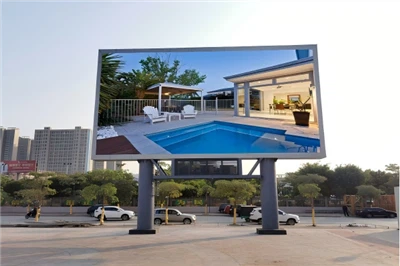
Purchasing an LED display is a significant investment, and choosing the right one is crucial for ensuring optimal display performance, long-term stable operation, and maximizing return on investment.
Display Performance
1.1 Resolution and Clarity
Pixel Pitch: Pixel pitch refers to the distance between adjacent pixels, typically measured in millimeters (mm). A smaller pixel pitch results in higher resolution and clearer display. When selecting pixel pitch, consider the viewing distance; a smaller pixel pitch (such as P1.5, P2) is needed for close-up viewing, while a larger pixel pitch (such as P4, P6) is suitable for long-distance viewing.
Resolution: Resolution determines the level of detail the display can show. High-resolution displays can present finer images and videos, making them suitable for applications requiring high clarity, such as conference rooms and stage performances.
1.2 Brightness and Contrast
Brightness: Brightness is usually measured in nits. Outdoor displays require high brightness (5000-8000 nits) to withstand direct sunlight, while indoor displays have lower brightness requirements (800-1500 nits). Excessively high brightness indoors can cause eye strain, while too low brightness outdoors can affect visibility.
Contrast: Contrast refers to the ratio between the brightest and darkest parts of the display. High contrast provides sharper images and deeper blacks, enhancing visual effects.
1.3 Color Reproduction
Color Gamut Coverage: Color gamut coverage determines the range of colors the display can show. Wide-gamut displays can present richer and more realistic colors, making them suitable for applications with high color requirements, such as advertising and film production.
Color Consistency: Ensure consistent color across all parts of the display to avoid color differences.
Reliability and Durability
2.1 Stability
Dead Pixel Rate: Dead pixel rate refers to the proportion of non-functioning LED lights on the display. A low dead pixel rate means higher reliability and longer service life.
Failure Rate: Choose products with a low failure rate to reduce maintenance and repair costs.
2.2 Protection Level
IP Rating: Outdoor displays need higher protection levels (such as IP65, IP67) to be waterproof, dustproof, and corrosion-resistant, ensuring stable operation in harsh weather conditions.
Wind Resistance: Outdoor displays should have good wind resistance to withstand strong winds.
2.3 Lifespan
LED Lifespan: The lifespan of LED lights is usually measured in hours, commonly 50,000 hours or 100,000 hours. Long-lasting LEDs reduce the frequency of replacements and lower maintenance costs.
Driver Circuit Lifespan: The lifespan of the driver circuit is equally important. Choosing high-quality driver circuits ensures long-term stable operation of the display.
Energy Consumption and Heat Dissipation
3.1 Energy Efficiency
Power Consumption: The power consumption of the display directly affects operating costs. Choosing low-power products reduces electricity expenses, especially in scenarios requiring long-term operation.
Energy Efficiency Ratio: The energy efficiency ratio refers to the ratio of display brightness to power consumption. A high energy efficiency ratio means lower power consumption at the same brightness.
3.2 Heat Dissipation Performance
Heat Dissipation Design: Good heat dissipation design can effectively reduce the operating temperature of the display and extend its lifespan. Common heat dissipation methods include natural cooling, fan cooling, and air conditioning cooling.
Temperature Control: Choose displays with temperature control functions that can automatically reduce brightness or turn off some lights when the temperature is too high to prevent overheating damage.
Installation and Maintenance
4.1 Installation Convenience
Modular Design: A modular design makes the installation of the display more convenient, allowing for quick assembly and disassembly, suitable for scenarios requiring frequent movement or replacement.
Installation Methods: Choose appropriate installation methods based on the installation environment, such as wall-mounted, suspended, or floor-standing.
4.2 Maintenance Convenience
Front and Rear Maintenance: Front maintenance design allows maintenance personnel to perform maintenance from the front, suitable for displays installed on walls; rear maintenance design requires access from the back, suitable for displays installed on brackets.
Module Replacement: Choose products that support module replacement to quickly replace damaged modules, reducing downtime.
Cost and Cost-Effectiveness
5.1 Initial Cost
Equipment Price: The price of the display is influenced by various factors, including pixel pitch, brightness, and brand. Choose a suitable display based on your budget.
Installation Cost: Installation costs include labor and material fees and should be budgeted in advance.
5.2 Operating Cost
Electricity Cost: The power consumption of the display directly affects electricity expenses. Choosing low-power products reduces long-term operating costs.
Maintenance Cost: Maintenance costs include regular maintenance and replacement of damaged parts. Choosing high-quality, low-failure rate products can lower maintenance costs.
5.3 Cost-Effectiveness
Comprehensive Assessment: When purchasing, consider factors such as display performance, reliability, and cost to choose the most cost-effective product.
Customization Needs
6.1 Size and Shape
Custom Size: Choose an appropriate size based on the installation environment to ensure the display fits perfectly.
Special-Shaped Displays: Some special scenarios may require special-shaped displays, such as curved or circular screens. Communicate customization needs with the supplier in advance.
6.2 Function Customization
High Refresh Rate: A high refresh rate can reduce motion blur, suitable for displaying high-speed moving images, such as sports events and games.
Low Latency: Low-latency displays are suitable for scenarios requiring real-time interaction, such as stage performances and video conferences.
Remote Control: Remote control functionality allows users to manage the display remotely via a network, facilitating operation and maintenance.
After-Sales Service
7.1 Technical Support
Technical Consultation: Suppliers should provide professional technical consultation to help customers choose suitable products and solutions.
Installation Guidance: Provide detailed installation guidance to ensure the display is installed and commissioned correctly.
7.2 Warranty and Maintenance
Warranty Period: Choose products with a long warranty period to reduce concerns.
Regular Maintenance: Suppliers should provide regular maintenance services to ensure long-term stable operation of the display.
Application Scenarios
8.1 Indoor vs. Outdoor
Indoor Displays: Indoor displays focus more on color reproduction and viewing comfort, suitable for conference rooms, shopping malls, and stages.
Outdoor Displays: Outdoor displays require high brightness and high protection levels, suitable for billboards, sports stadiums, and squares.
8.2 Commercial vs. Professional Use
Commercial Use: Commercial customers focus more on advertising effects and cost control, suitable for advertising promotions and mall promotions.
Professional Use: Professional customers focus more on display performance and reliability, suitable for stage performances, sports events, and monitoring centers.
Brand and Reputation
9.1 Brand Awareness
Well-Known Brands: Well-known brands often imply higher product quality and better after-sales service, making customers more likely to choose them.
Emerging Brands: Some emerging brands may offer more cost-effective products, but their product quality and after-sales service need careful evaluation.
9.2 User Feedback
User Reviews: Refer to other users' reviews and feedback to understand the product's actual performance and the supplier's reputation.
Case Studies: View the supplier's successful cases to understand the practical application effects of their products.
Innovation and Technology
10.1 New Technology Applications
Mini LED: Mini LED technology can provide higher brightness and better color performance, suitable for high-end applications.
Micro LED: Micro LED technology offers higher resolution and longer lifespan, suitable for scenarios with extremely high display requirements.
COB Packaging: COB packaging technology can improve the reliability and protection level of the display, suitable for outdoor and harsh environments.
10.2 Intelligent Functions
Smart Control: Smart control functionality allows users to remotely control the display via smartphones, tablets, and other devices, facilitating operation and management.
Interactive Functions: Some high-end displays support interactive functions, such as touchscreens and face recognition, suitable for interactive scenarios.
Our factory HELILAI main products: intelligent and cultural creative LED display, high-definition small-pitch LED display, indoor and outdoor full-color LED display, LED transparent glass screen, intelligent LED floor tile scene screen, intelligent sensor LED interactive screen.
Application areas: dedicated to intelligent transportation, intelligent security monitoring, radio and television broadcasting, video conferencing, intelligent advertising media, real estate and commercial display, science and education stadiums, cultural performance stage display, smart scene creative display, and other intelligent terminal smart display engineering applications.
The company's products have passed: CE ,Rohs certification, BIS certification ,3C certification, green environmental certification, strictly in the ISO9001: quality certification system to improve product quality management, in accordance with the process of quality control procedures in strict accordance with IQC, IPQC, CFQC, QA Chain management.
If you are looking for a manufacturer or supplier of LED display and module, please feel free to contact us! We will definitely give you a professional plan, reasonable price, and thoughtful service! Wechat:86 18676738905 Email:ledhll88@163.com
Send Inquiry