


The Future of Advertising: Why Digital LED Displays Are Killing Traditional Billboards
Jul 16, 2025
Leave a message
The Future of Advertising: Why Digital LED Displays Are Killing Traditional Billboards
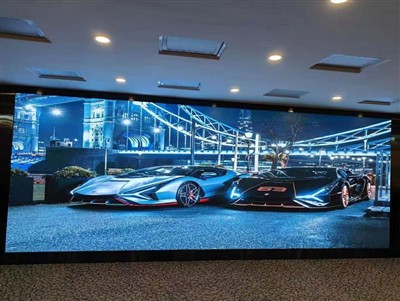
Driven by the accelerated urbanization process and the deep penetration of digital technology, the advertising industry is undergoing a disruptive transformation. Traditional advertising billboards, as "veteran players" in commercial communication, are gradually being replaced by digital LED displays. This trend is the result of the combined effects of technological iteration, market demand, and policy orientation. This article will analyze the inevitability of digital LED displays replacing traditional advertising billboards from five dimensions: technological advantages, market adaptability, environmental protection needs, intelligent trends, and industry ecosystem reconstruction.
I. Technological Generation Gap: A Leap from Static Display to Dynamic Interaction
Traditional advertising billboards, relying on printing, spray painting, or neon lights as carriers, are limited to static graphics, text, or simple animations, resulting in low information transmission efficiency and a lack of interactivity. In contrast, digital LED displays, through semiconductor lighting technology, achieve dynamic images, videos, 3D effects, and real - time data linkage. Their technological advantages are manifested in the following aspects:
Display Performance Breakthrough
LED displays surpass traditional media in terms of brightness, contrast, and color reproduction. For example, in outdoor settings, LED screens can maintain clear visibility under strong light and offer a viewing angle of over 160°, ensuring a high - quality visual experience for audiences from different angles. In comparison, traditional spray - painted advertisements are prone to fading under sun and rain exposure, while neon lights suffer from brightness degradation and limited color options.
Content Update Efficiency
Replacing content on traditional advertising billboards requires remaking materials and manual installation, with a cycle lasting several days or even weeks and high costs. LED displays, through cloud control systems, enable instant content switching, supporting the delivery of different advertisements in different time slots and regions, and even dynamically adjusting content based on real - time data (such as weather and traffic flow). For instance, by automatically promoting umbrella sales on rainy days and switching to advertisements for refreshing beverages on hot days, this mass - personalized delivery significantly improves advertising conversion rates.
Integration of Interactive Technologies
The combination of LED displays with sensors, AR/VR, and artificial intelligence technologies has upgraded them from one - way communication tools to interactive platforms. Functions such as gesture recognition, facial recognition, and body motion interaction allow audiences to "participate" in advertisements, for example, by waving to switch advertising content or taking photos with virtual characters. This immersive experience not only enhances brand memorability but also provides advertisers with user behavior data to facilitate precise marketing.
II. Market Adaptability: From Cost Traps to Value Creation
The operational model of traditional advertising billboards faces challenges such as high costs, poor flexibility, and difficulty in quantifying effects. In contrast, LED displays have reconstructed the value chain of the advertising industry through technological empowerment:
Optimization of Full Lifecycle Costs
Traditional advertising billboards have low initial production costs but high long - term maintenance expenses. Although LED displays require higher initial investments, they have a lifespan of over 100,000 hours and consume only 30% - 50% of the energy of traditional neon lights. With technological advancements, new - generation LED screens further reduce energy consumption through technologies such as common cathode driving and intelligent dimming. For example, some products achieve "zero - carbon" operation through solar power supply systems, significantly cutting long - term operational costs for enterprises.
Maximization of Advertising Space Value
The advertising space resources of traditional billboards are fixed, serving only a single client at a time. LED displays, through split - screen technology and time - slicing modes, can divide a single screen into multiple regions to simultaneously display multiple advertisements and even support fragmented delivery billed by the second. This model not only improves the utilization rate of advertising spaces but also lowers the advertising threshold for small and medium - sized enterprises, activating long - tail market demand.
Quantifiable Effects and Improved ROI
The evaluation of traditional advertising effects relies on manual sampling surveys, resulting in delayed data and large errors. LED displays, equipped with intelligent analysis systems, can monitor data such as audience dwell time, interaction frequency, and facial expressions in real time and generate effect reports through big data algorithms. Advertisers can quickly optimize content based on feedback, forming a closed loop of "delivery - monitoring - optimization" and improving the return on investment (ROI) of advertising by over 30%.
III. Environmental Protection Needs: From Resource Consumption to Green Sustainability
Under the global goal of carbon neutrality, the environmental transformation of the advertising industry is urgent. Traditional advertising billboards involve resource waste and pollution during production, installation, and disposal, while LED displays achieve green development through technological innovation:
Environmentally Friendly Materials
Traditional spray - painted advertisements use materials such as PVC and ink, which are difficult to degrade and contain harmful substances; neon lights rely on rare gases such as mercury and neon, with a highly polluting production process. LED displays adopt mercury - free and lead - free semiconductor materials, with most casings made of recyclable aluminum alloy, complying with RoHS environmental standards. Some companies have also introduced biodegradable packaging materials to further reduce environmental impact.
Energy Efficiency Revolution
LED displays are 80% more energy - efficient than traditional lighting and support intelligent dimming. For example, they automatically reduce brightness at night or during periods of low foot traffic and dynamically adjust brightness based on ambient light intensity during the day to avoid energy waste. In addition, the popularization of new technologies such as Mini/Micro LED has reduced the power consumption per pixel to below 0.1W, driving the industry toward the goal of "zero energy consumption."
Circular Economy Model
The modular design of LED displays supports component - level repair and upgrades, extending their product lifecycle. Retired screens can re - enter the market through refurbishment and disassembly and recycling, forming a closed loop of "production - use - recycling." In contrast, traditional advertising billboards are mostly disposed of through landfilling or incineration after being retired, causing long - term environmental burdens.
IV. Intelligent Trends: From Single Media to Urban Neural Nodes
With the popularization of 5G, IoT, and AI technologies, LED displays are being upgraded from advertising carriers to infrastructure for smart cities, with strategic value far exceeding that of traditional media:
Urban Information Hub
LED displays can be linked with transportation, meteorology, and security systems to deliver real - time public information such as traffic conditions, weather, and emergency notifications. For example, at transportation hubs, screens can display train schedules and transfer guides; in the event of disasters, they can automatically switch to early warning information, becoming important tools for urban emergency management.
Data Platform Value
LED displays collect data on pedestrian flow, vehicle flow, and consumer behavior through cameras and sensors, providing support for urban planning and business decision - making. For example, shopping malls can optimize store layouts by analyzing the dwell time of audiences in front of screens; governments can adjust public transportation frequencies based on pedestrian flow data to improve urban operational efficiency.
Gateway Function to the Metaverse
The combination of LED displays with AR/VR technologies can create immersive scenarios that blend the physical and digital worlds. For example, in tourist attractions, screens can overlay virtual guides and historical scene recreations; in commercial complexes, consumers can try on virtual clothing or preview home decoration effects through gesture interaction. This "physical + digital" hybrid experience opens up new growth spaces for the advertising industry.
V. Industry Ecosystem Reconstruction: From Fragmented Competition to Ecosystem Collaboration
The popularization of LED displays has driven the transformation of the advertising industry from "media suppliers" to "solution providers," giving rise to new business models and industrial ecosystems:
Industry Chain Integration
The LED display industry involves multiple links such as chips, packaging, driving, and control systems, with high technological thresholds. Leading enterprises enhance their competitiveness through vertical integration, such as developing their own Mini LED chips and intelligent control platforms to form technological barriers. At the same time, small and medium - sized enterprises seek breakthroughs in creative content production and customized services through differentiated competition, promoting the diversified development of the industry.
Cross - Border Integration and Innovation
The integration of LED displays with industries such as culture, tourism, and retail has created new business formats of "advertising + scenarios." For example, in cultural tourism projects, screens serve as carriers for immersive experiences, creating themed scenarios in combination with lighting and sound effects; in the retail sector, screens are linked with electronic price tags and smart shelves to achieve full - process digitization of "advertising - guidance - payment."
Global Market Expansion
With the advancement of the Belt and Road Initiative, Chinese LED enterprises are accelerating their layout in overseas markets. Southeast Asia and the Middle East have become new growth points for the industry due to strong demand for infrastructure construction. Enterprises enhance their international competitiveness through strategies such as local production and culturally adapted content, promoting the globalization of Chinese advertising technology standards.
Why Choose Us as Your Trusted LED Display Partner?
With 15+ years of manufacturing experience, we are a leading LED display producer serving 60+ countries worldwide. Our core strengths include:
✅ OEM/ODM Support – Customized solutions tailored to your specific needs
✅ Certified Quality – All products meet international standards (CE, RoHS, ISO certified)
✅ Cost-Effective Production – Competitive pricing without compromising quality
✅ Global Logistics Network – Reliable shipping to all major markets
✅ R&D Innovation – Cutting-edge LED technology for superior performance
We specialize in indoor/outdoor LED screens, rental displays, and creative installations. From small batches to bulk orders, our flexible manufacturing capacity ensures timely delivery.
Let's build brilliant visual solutions together! Contact us today for a quote.
📱 WeChat: 86 18676738905
📧 Email: Ledhll88@163.Com
🌐 Website: Www.Hll-Ledscreens.Com
Send Inquiry