


Knowledge about small-pitch LED displays
Nov 22, 2024
Leave a message
With the continuous development of LED technology, indoor LED displays, especially small-pitch products, have gained popularity due to their seamless splicing, low brightness with high grayscale, high refresh rates, ultra-high clarity, low energy consumption, long lifespan, and other features that meet market demands and promote energy-efficient economic growth.
These displays are widely used in various fields such as power production dispatch control centers, military command control centers, urban management emergency command centers, traffic management command centers, industrial process control display systems, broadcasting and television display and monitoring systems, shopping malls, hotels, communication information display systems, financial securities information display systems, government and enterprise multimedia video conferencing display systems, mining safety production monitoring systems, urban environmental monitoring command systems, fire, meteorology, maritime flood prevention command systems, airport and subway flight display and security monitoring systems.
How is LED small pitch defined?
We all know that LEDs consist of LED chips. The distance between the centers of two LED chips is called the dot pitch. In the display industry, product specifications are generally defined based on this distance, such as P12, P10, and P8 (dot pitches of 12mm, 10mm, and 8mm respectively). As technology advances, the dot pitch becomes smaller. According to industry consensus, displays with a dot pitch less than 3 millimeters are considered small pitch. Among currently mass-produced displays, the smallest dot pitch is P1.6, meaning the distance between the centers of two chips is just 1.6mm.
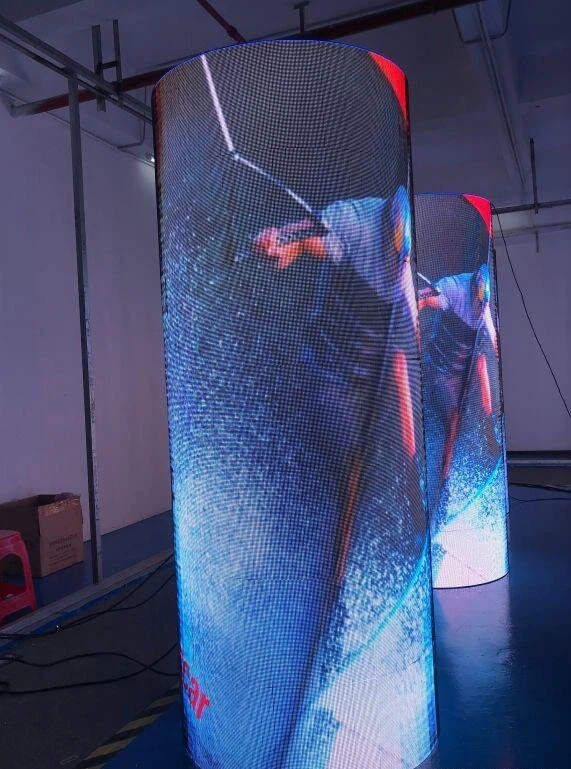
What are the advantages of small-pitch LED displays?
1. Seamless Splicing
Traditional large-screen display technology always struggles with physical borders when trying to meet customer needs. Even ultra-narrow bezel DID professional LCD screens have noticeable seams. Only LED displays can achieve seamless splicing after assembly, highlighting their high-density, small-pitch advantages.
2. High Brightness with Intelligent Adjustment
LED screens have high inherent brightness. To provide comfortable viewing experiences in both bright and dark environments and avoid visual fatigue, their brightness can be adjusted intelligently through light sensing systems.
3. High Gray Scale Levels for Superior Color Performance
Even at low brightness levels, the gray scale performance of LED displays is nearly perfect. The displayed images have better depth and vividness compared to traditional displays, showing more image details without information loss.
Send Inquiry