


Indoor vs. Outdoor LED display Installation: Critical Differences You Must Know
Jun 27, 2025
Leave a message
Indoor vs. Outdoor LED display Installation: Critical Differences You Must Know
I. Introduction
LED displays are widely used in today's society, and they can be seen everywhere, both indoors and outdoors. In indoor venues such as conference rooms, shopping malls, and lecture halls, LED displays are utilized to showcase high-definition images and video content. In outdoor locations like street advertising billboards, squares, sports stadiums, and highways, they are mainly used for advertising and information dissemination. However, there are numerous key differences in the installation of indoor and outdoor LED displays. Understanding these differences is crucial for ensuring the normal operation of the displays, extending their service life, and enhancing the display effect.
II. Differences in Installation Environment Requirements
(I) Indoor Installation Environment Requirements
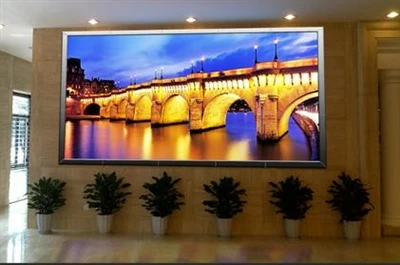
The installation environment for indoor LED displays is relatively mild. It is usually necessary to select a cool, dry, and well-ventilated location to avoid direct sunlight, humidity, and high temperatures. Direct sunlight can cause screen glare, affecting the viewing experience. A humid environment may lead to internal moisture in the display, triggering short circuits or even fires. High temperatures can impact the display's heat dissipation, causing integrated circuits to malfunction or even burn out. For example, in the installation of indoor LED displays in some shopping malls, they are often installed using a wall-mounted front-maintenance design within the mall to ensure normal display and operation.
(II) Outdoor Installation Environment Requirements
Outdoor LED displays face harsher environmental conditions. Firstly, they must possess excellent waterproof, dustproof, and UV-resistant capabilities to withstand adverse weather conditions such as rain, wind, and high temperatures. Generally, outdoor LED displays require an ingress protection rating of IP65 or above. Secondly, outdoor environments experience significant temperature variations, necessitating the use of industrial-grade integrated circuit chips with an operating temperature range of -40℃ to 80℃ to prevent the display from failing to start due to extremely low winter temperatures. Additionally, there is a risk of lightning strikes outdoors, so the display body and enclosure must be properly grounded, with a grounding resistance of less than 3 ohms, to promptly discharge the large current caused by lightning.
III. Differences in Installation Methods
(I) Indoor Installation Methods
Indoor LED displays mostly adopt front-maintenance designs, and installation must consider wall load-bearing capacity and space constraints. They typically use a cabinet-style structure to ensure flatness and convenience. For instance, in some small conference rooms, LED displays employ a wall-mounted front-maintenance design, which saves space and facilitates later maintenance and repairs. During the installation process, attention must also be paid to the assembly of the frame. For example, the inner space of the frame should be enlarged by 3mm for displays within 10 square meters. Horizontal bars should be fixed, with one added in the middle for heights of 1.5 meters and another for heights exceeding 2.5 meters, with intervals not exceeding 80 centimeters, to ensure the stability and flatness of the frame.
(II) Outdoor Installation Methods
The installation methods for outdoor LED displays are more complex, with common options including wall-mounted, column-mounted, and bracket-mounted installations. Moreover, issues such as waterproofing, lightning protection, and heat dissipation must be considered. Modular designs are often adopted to reduce costs. For example, on street-side outdoor advertising billboards, LED displays are usually installed using a column-mounted method to make them more eye-catching and attract the attention of passers-by. During installation, lightning protection devices must be installed to ensure proper grounding of the display body and enclosure. Additionally, a reasonable ventilation system should be designed, and cooling fans or air conditioning units should be installed, especially for use in high-temperature environments, to maintain the internal temperature of the display within a reasonable range.
IV. Differences in Heat Dissipation Designs
(I) Indoor Heat Dissipation Design
Indoor LED displays generally do not require special heat dissipation equipment and can operate normally under conventional temperatures. However, to ensure stable operation, a reasonable heat dissipation scheme should still be designed. For example, natural ventilation can be used to ensure air circulation around the display, or small cooling fans can be installed to enhance heat dissipation. In some large indoor exhibition halls, due to the high power of the LED displays, dedicated heat dissipation channel designs may be adopted to promptly expel heat.
(II) Outdoor Heat Dissipation Design
Outdoor LED displays are exposed to sunlight for long periods, resulting in higher operating temperatures. Therefore, air conditioning units need to be installed to assist in heat dissipation; otherwise, their normal operation may be affected. For example, in outdoor sports stadiums located in high-temperature regions, LED displays are equipped with large air conditioning units to lower their internal temperatures. In addition, heat dissipation technologies such as heat sinks and heat pipes can be used to improve heat dissipation efficiency. At the same time, it is essential to ensure good ventilation of the display to prevent heat accumulation.
V. Differences in Power and Signal Connections
(I) Indoor Power and Signal Connections
The power and signal connections for indoor LED displays are relatively simple. When installing the power supply, holes should be drilled in the keel or square tubes in advance to prevent iron filings from falling into the power supply. The power supply units should be fixed from top to bottom to prevent metal debris from falling into the lower units. When multiple power circuits are required, each circuit should not be connected in series with more than 20 units. If more than 20 units are needed, they should be evenly distributed in multiples of 3 to avoid three-phase imbalance. The branch lines should be connected from the middle of a sequence of 20 power supplies to reduce the load on shorter lines. The power supplies should be arranged neatly and reasonably. The 5V lines should not be connected too tightly to the modules, as this may pull off the 5V bases on the modules. Special attention should be paid when connecting the red and black wires to avoid reversing them. The outer layer of the wire insulation should not be pressed in to prevent poor contact. When two wires are pressed onto one terminal, the U-shaped plugs should be back-to-back. In terms of signal connections, the length of the flat cables and network cables should be appropriate and not pulled too tightly to avoid poor contact. The flat cables should be numbered and neatly fixed with cable ties.
(II) Outdoor Power and Signal Connections
The power and signal connections for outdoor LED displays have higher requirements. Due to the complex outdoor environment, cables that meet standards should be selected to avoid cable overload or voltage instability. At the same time, it is necessary to ensure proper grounding of the display and its metal structure to prevent static electricity and lightning strikes. Lightning rods or arresters should be installed to provide additional lightning protection. All electrical connections and terminals should be insulated to prevent leakage and short circuits. Electrical equipment should be regularly inspected to ensure its normal operation and avoid electrical fires. In terms of signal connections, signal lines should be reasonably arranged to avoid crossing or running parallel to power lines to reduce electromagnetic interference. Shielded signal lines should be used to ensure stable signal transmission.
VI. Differences in Protective Measures
(I) Indoor Protective Measures
Although indoor displays do not require waterproofing and dustproofing, appropriate protective measures are still necessary to ensure their safe and stable operation. For example, protective barriers can be installed around the display to prevent personnel collisions. Regular cleaning of the display should be carried out to keep the screen surface clean and avoid the impact of dust and stains on the display effect. In environments with high requirements, such as hospitals and schools, anti-static floors can be installed to mitigate the impact of static electricity on the display.
(II) Outdoor Protective Measures
Outdoor LED displays require more comprehensive protective measures. In addition to waterproofing, dustproofing, and UV resistance, issues such as corrosion prevention and lightning protection must also be considered. For example, anti-corrosion coatings can be applied to the surface of the display to prevent metal parts from rusting. Lightning protection devices should be installed to ensure the safety of the display during thunderstorms. In addition, regular inspections and maintenance of the display should be carried out to promptly identify and address potential problems and ensure its normal operation.
VII. Differences in Maintenance and Upkeep
(I) Indoor Maintenance and Upkeep
The maintenance and upkeep of indoor LED displays are relatively simple. Regular cleaning of the display, including cleaning the screen surface and checking connections, should be carried out. A soft brush or clean damp cloth can be used to gently wipe the screen surface, avoiding the use of sharp objects that may scratch the screen. At the same time, the connections of the power lines and signal lines should be checked for firmness and any signs of looseness or damage. If problems are found, they should be promptly repaired or replaced. In some venues with high requirements for display effects, such as conference rooms and lecture halls, regular calibration of the display should also be carried out to ensure the accuracy and consistency of the display effect.
(II) Outdoor Maintenance and Upkeep
The maintenance and upkeep of outdoor LED displays are more challenging. Due to the harsh outdoor environment, the display is susceptible to factors such as dust, rain, and UV rays, requiring more frequent maintenance and upkeep. Regular cleaning of the screen surface should be carried out to remove dust and stains and maintain the display effect. At the same time, the waterproof and dustproof measures of the display should be checked for integrity, and any damage should be promptly repaired. After severe weather conditions, such as heavy rain and strong winds, the display should be promptly inspected to ensure it has not been damaged. In addition, aging components and cables should be regularly replaced to ensure the normal operation of the display.
Our factory HELILAI main products: intelligent and cultural creative LED display, high-definition small-pitch LED display, indoor and outdoor full-color LED display, LED transparent glass screen, intelligent LED floor tile scene screen, intelligent sensor LED interactive screen.
Application Areas: dedicated to intelligent transportation, intelligent security monitoring, radio and television broadcasting, video conferencing, intelligent advertising media, real estate and commercial display, science and education stadiums, cultural performance stage display, smart scene creative display, and other intelligent terminal smart display engineering applications.
The company's products have passed: CE ,Rohs certification, BIS certification ,3C certification, green environmental certification, strictly in the ISO9001: quality certification system to improve product quality management, in accordance with the process of quality control procedures in strict accordance with IQC, IPQC, CFQC, QA Chain management.
If you are looking for a manufacturer or supplier of LED display and module, please feel free to contact us! We will definitely give you a professional plan, reasonable price, and thoughtful service!
Why Choose HELILAI?
15+ Years of specialized LED display manufacturing
200+ circular display installations worldwide
Turnkey Solutions: Design → Production → Installation → Maintenance
Contact Our Engineering Team:
📱 WeChat: 86 18676738905
📧 Email: Ledhll88@163.Com
🌐 Website: www.hll-ledscreens.com
Send Inquiry