


Energy-Efficient LED Displays: How to Save 30% Energy Without Sacrificing Brightness
Apr 18, 2025
Leave a message
Energy-Efficient LED Displays: How to Save 30% Energy Without Sacrificing Brightness
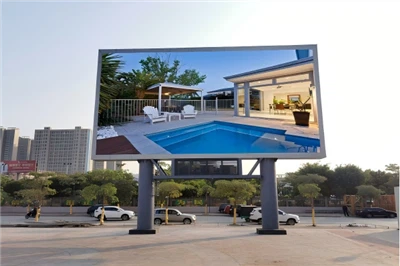
In the context of increasingly prominent energy issues today, energy conservation has become a key objective for the development of various industries. LED displays, as important equipment widely used in fields such as advertising and public information display, have drawn significant attention due to their energy consumption problems. Achieving energy efficiency without sacrificing brightness is of great significance for reducing operating costs and energy consumption. This not only aligns with the concept of sustainable development but also brings substantial economic and environmental benefits to enterprises and society.
Principles of Energy - Saving Technology
(I) Driver Chip Technology
Advanced LED display - specific chip systems employ constant - current noise reduction technology, effectively reducing the impact of power supply and other noise sources on LED displays. Some driver ICs can also reduce the operating voltage from 5V to 4.2V, minimizing power consumption while maintaining a constant current state and separately powering the red, green, and blue dies, thereby achieving better energy - saving effects. For example, constant - current driver chips can precisely control the current, enabling LED light beads to operate under stable current conditions, avoiding energy waste caused by current fluctuations, reducing noise interference, and enhancing the stability and reliability of the display.
(II) Packaging Technology
The new LED large - screen control system adopts 14 - bit color display levels, significantly improving the smoothness of color transitions and making the colors appear softer to viewers, avoiding discomfort from excessive brightness. This technology optimizes the packaging structure of LED light beads, enhances luminous efficiency, and reduces optical energy loss. Compared to traditional 18 - bit color display levels, 14 - bit color display levels maintain color richness while reducing system energy consumption, allowing the display to consume less electricity at the same brightness level.
(III) Intelligent Dimming Technology
The intelligent dimming system uses built - in light sensors to monitor ambient light intensity in real time and automatically adjusts screen brightness. In bright outdoor sunlight, the LED display increases brightness to ensure clear visibility of the image; in low - light indoor or nighttime environments, it reduces brightness to avoid glare. This intelligent adjustment not only enhances viewing comfort but also significantly reduces unnecessary energy consumption. According to estimates, brightness auto - regulation technology can reduce LED display energy consumption by over 30%, truly achieving "energy savings from details."
Methods to Achieve 30% Energy Savings
(I) Technological Innovation
Adopting New Driver Chips
Choose driver chips with high - efficiency energy - saving features, such as internationally advanced LED display - specific chip systems. These chips possess constant - current noise reduction capabilities, effectively reducing the impact of power supply noise on displays while minimizing power consumption through reduced operating voltages. For example, certain driver chips can lower the operating voltage from 5V to 4.2V, achieving significant energy savings while ensuring normal LED light bead operation.
Optimizing Packaging Technology
Improve the packaging process of LED light beads by adopting new packaging materials and structures. For instance, use high - luminous - efficiency LED chips and optimize the formulation of packaging glue to reduce light scattering and absorption, allowing more light to be emitted from the light beads. Additionally, COB (Chip On Board) packaging technology can be employed to directly mount LED chips onto circuit boards, reducing packaging losses and improving overall efficiency.
Introducing Intelligent Dimming Systems
Install light sensors and intelligent control systems to automatically adjust display brightness based on changes in ambient light. Increase display brightness during daylight hours to ensure clear image visibility; reduce brightness at night or in low - light environments to avoid light pollution and energy waste. Intelligent dimming systems can also automatically adjust brightness and contrast based on different display content, such as text, images, and videos, to achieve optimal display effects and energy savings.
(II) Intelligent Control
Ambient Light Sensing
Utilize light sensors to monitor ambient light intensity in real time and transmit signals to the control system. The control system automatically adjusts display brightness parameters according to preset algorithms to match the display brightness with ambient light conditions. For example, when ambient light is dim, the control system reduces display brightness; when ambient light increases, the control system raises display brightness accordingly.
Content - Adaptive Adjustment
Automatically adjust brightness and color parameters based on the content displayed on the screen. For text content, brightness and contrast can be appropriately reduced to minimize energy consumption; for images and videos, brightness and color can be dynamically adjusted based on the image's brightness levels and color saturation to achieve optimal display effects and energy savings. For example, when displaying a dark - toned image, the control system automatically reduces display brightness to avoid energy waste caused by excessive brightness.
(III) Design Optimization
Modular Design
Divide the LED display into multiple independent modules, each of which can be individually controlled for brightness and on/off status. Flexibly turn on or off specific modules based on actual needs to reduce energy consumption. For example, on advertising screens, only the areas displaying content need to be illuminated, while other areas remain off. This design not only reduces energy consumption but also enhances display flexibility and maintainability.
Improving Transmittance
For special types of products such as transparent LED displays, adopt high - transmittance materials and design structures to reduce obstruction of view by structural components and improve transparency. When designing advertising content, remove unnecessary backgrounds and replace them with black, displaying only the required content. The black areas do not emit light during playback, thereby reducing light pollution and energy consumption. According to statistics, this playback method can achieve over 30% energy savings compared to conventional LED displays.
(IV) Power Management
Adopting High - Efficiency Switching Power Supplies
Use half - bridge or full - bridge high - efficiency switching power supplies directly on LED displays, combined with synchronous rectification technology, for significant energy savings. High - efficiency switching power supplies efficiently convert input AC power to DC power, reducing energy loss during conversion. Synchronous rectification technology further enhances power supply efficiency by reducing switching and conduction losses.
Precision Power Supply
Adopt "dynamic" allocation of precision drive voltages for red, green, and blue according to the actual operating voltage requirements of LED light beads. For example, in outdoor dynamic energy - saving screens, red dies receive 2.8V, while blue and green dies receive 3.8V. This precision power supply method effectively avoids unnecessary voltage losses and significantly reduces power consumption. Compared to conventional outdoor display products, it can reduce average power consumption by over 30%.
(V) Maintenance Strategies
Regular Cleaning
Regularly clean LED displays to remove dust and dirt from their surfaces. Dust and dirt can affect display cooling performance, leading to increased device temperatures, higher resistance, and higher power consumption. Regular cleaning maintains good display cooling performance and reduces energy consumption. For example, perform a comprehensive cleaning of the display once a month using professional cleaning tools and agents to ensure the display surface remains clean and tidy.
Intelligent Monitoring
Install intelligent monitoring systems to monitor display operating status and energy consumption in real time. When abnormalities or excessive energy consumption are detected, the system promptly issues alerts and takes corresponding measures for adjustment and repair. Intelligent monitoring systems can also collect and analyze display usage data to provide a basis for optimizing energy - saving strategies.
Why Choose HELILAI?
15+ Years of specialized LED display manufacturing
200+ circular display installations worldwide
Turnkey Solutions: Design → Production → Installation → Maintenance
Contact Our Engineering Team:
📱 WeChat: 86 18676738905
📧 Email: ledhll88@163.com
🌐 Website: [www.hll-ledscreens.com ]
Send Inquiry